Prairieville Animal Hospital: Your Animal Clinic Near Me Partners in Health
In Prairieville, choosing a veterinary partner for your pets is more than a simple errand; it’s a relationship that carries daily impact. Prairieville Animal Hospital has earned a place in many local routines by balancing medical rigor with compassionate care. This article stitches together what a visit to this clinic feels like from a practitioner’s perspective and from the viewpoint of families who rely on it for preventive care, urgent questions, and everyday health maintenance.
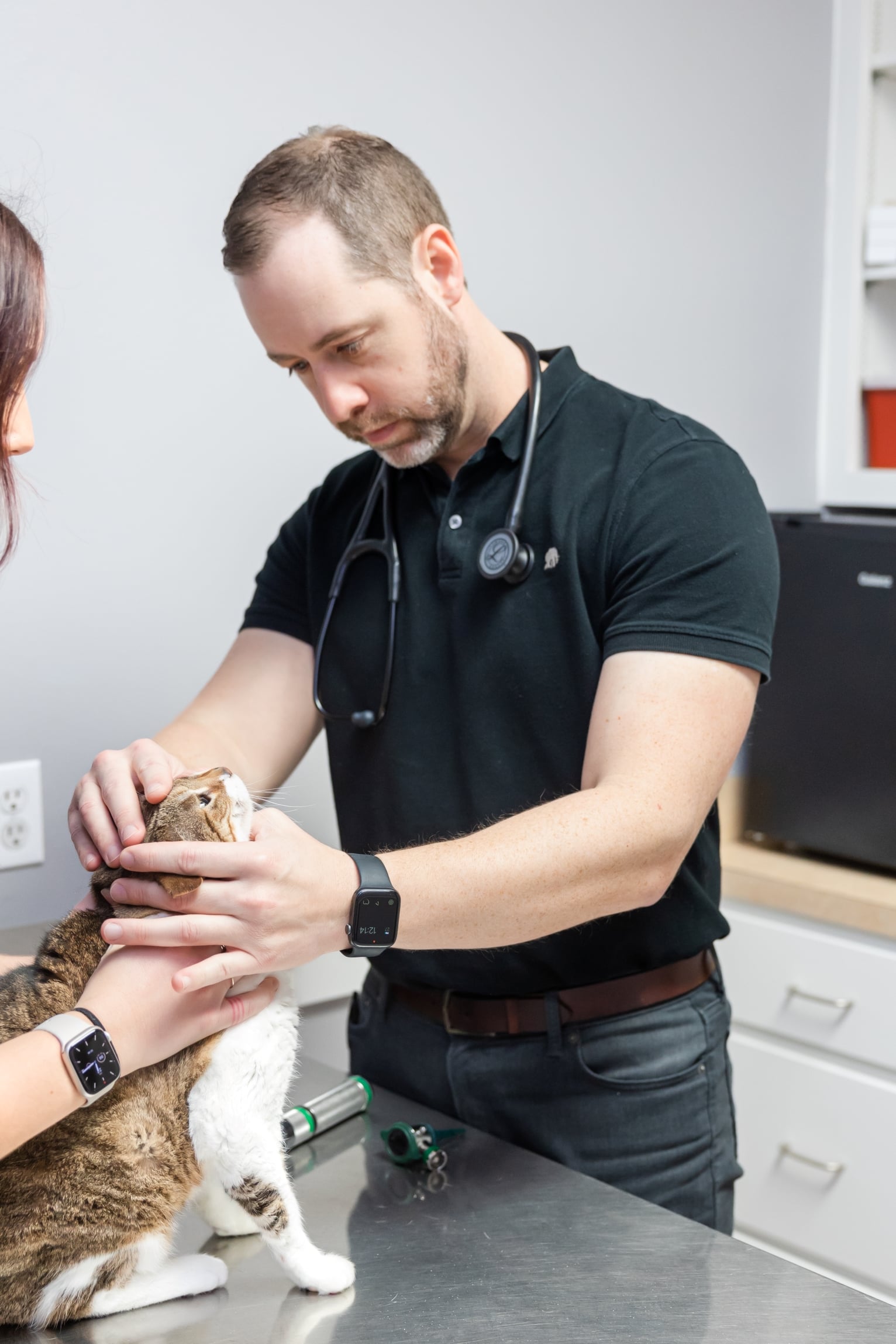
The first thing that stands out when you walk through the doors is the quiet efficiency. The welcome desk is not loud or hurried. There is a calm, almost unspoken rhythm that helps anxious pets settle before the exam room, and that is not happenstance. It’s the product of teams who have learned that the best medicine begins with trust. From the moment you check in, staff members tend to practical needs—medical records, appointment times, and reminders—without making the patient feel like a number. This is a clinic that treats you as part of a broader care circle, not merely a source of revenue or a one-off appointment.
A clinic’s true strength lies in how it handles everyday health and the stress of conditions that arrive without warning. At Prairieville Animal Hospital, preventive care anchors everything. Routine vaccines, parasite screening, dental cleanings, and weight management sessions are available with a clarity that helps families plan ahead. When a caregiver asks about preventive vet near prairieville la care, the hospital’s approach tends to be practical rather than theoretical. You’ll hear about the why behind vaccines, the how of dental health, and the what of age-appropriate screenings. The aim is not to sell a service but to offer a predictable path to fewer emergencies and a longer, healthier life for the animal.
For anyone with a busy schedule, the logistics of care matter just as much as the care itself. The clinic tends to emphasize clear communication and transparency about costs, estimated timelines, and postoperative instructions. This is not the realm of vague assurances. If a procedure is recommended, you receive a plain explanation of risk, benefit, and alternatives. If a treatment plan requires time, such as a staged surgery or a recovery protocol, you typically leave with a written outline that you can reference at home.
The practitioners at Prairieville Animal Hospital are long on experience and short on jargon. They speak in terms that make sense to families without assuming veterinary literacy is universal. That does not mean the medical team softens the science. Rather, they bridge the gap between clinical certainty and day-to-day life. For instance, when addressing a seasonal allergy or a chronic skin condition, you will see a careful blend of diagnostic tests, medication options, and environmental adjustments. This helps pet owners adapt without feeling overwhelmed.
A word about outcomes: the clinic’s approach leans toward evidence-based medicine, with a respect for nuance. When a dog shows signs of arthritis after a midlife slowdown, you don’t get a single magic pill. Instead you’ll hear a layered plan—weight management, joint-support supplements, physical therapy options, and a sensible medication schedule. The same logic applies to a senior cat with chronic kidney concerns or a cat with urinary issues. The goal is to manage the condition in a way that preserves quality of life while keeping the owners informed of what to expect and what to monitor.
The staff’s teamwork is another notable feature. It’s not unusual to observe veterinary technicians who know a patient by name and a surgeon who follows up with a detailed post-op check. The clinic’s care model often includes collaborative case reviews, where clinicians discuss ambiguous presentations and build consensus on the best next steps. This fosters a culture where quick, confident decisions come from collective experience rather than a single clinician’s perspective. It also creates a safety net for families who feel unsure after an initial diagnosis.
In practical terms, what does this look like for a family with a busy weekday routine? It begins with the appointment structure. Preventive care visits are scheduled with predictable cadence, allowing families to line up vaccines or annual wellness checks alongside other errands. For sick visits, the team aims for same-day slots when possible, a feature that matters when a pet’s appetite or energy dips suddenly. The radiology suite is usually present on site, enabling quick access to imaging if a stomach issue or orthopedic concern arises. If blood work is necessary, the clinic has the logistics to run it in-house and share results promptly, which means fewer trips and less stress for the animal.
The clinic’s breadth is another strength. In one visit you can address vaccines, dental health, a skin condition, and a behavioral question. The capacity to handle a range of concerns under one roof matters when families want convenience without sacrificing quality. The hospital’s approach to boarding and day care also reflects this philosophy. When a family travels or needs extra hands during a return-to-work transition, a well-managed pet boarding service can be a lifeline. The key with boarding is that it is not a mere holding pen; it’s a supervised environment where exercise, feeding routines, and familiar cues are preserved. A good boarding program at a neighborhood clinic like this becomes a trusted extension of home.
The care philosophy here also acknowledges the emotional economy of pet ownership. Owners carry stories about their animals that shape medical decisions. It is common to encounter staff who ask about the pet’s daily routines, sleep patterns, and favorite activities because those details inform safer, more precise care plans. The balance between listening and advising is delicate. When a family is weighing treatment options with a senior pet, the team tends to outline what quality of life means for that animal and how the goals of care align with the family’s expectations and resources. This is not about pushing care at any cost; it is about aligning medical possibilities with everyday life.
For families with multiple pets, the clinic’s scheduling and file management often reflect an understanding that time matters. A single trip can handle multiple health checks, a small convenience that reduces stress for both the pet and the owner. In short, Prairieville Animal Hospital seeks to remove friction from care. The result is a relationship that feels consistent across visits, a reliable touchstone when questions arise, and a practical partner when treatments or procedures are necessary.
The hospital’s approach to costs is also worth noting. It is not a pledge of the cheapest care in town, but rather a straightforward conversation about value. You will encounter transparent pricing, a breakdown of what is included with a service, and a sense that the clinic wants to avoid surprise bills. For many pet owners, this creates a sense of trust that extends beyond the exam room. It’s not uncommon for families to appreciate a clear plan that outlines the anticipated course of care with plausible cost ranges. When budgets are tight, the clinic often helps explore alternatives that preserve essential care while reducing nonessential expenses.
A practical pulse check comes from the clinic’s everyday operations. The reception area is more than a waiting space—it is a command center for triaging concerns, coordinating with technicians, and reminding owners about follow-up appointments. The treatment rooms are orderly and calm, designed to minimize stress for anxious pets. The surgical suite, when used, feels like an extension of a well-run hospital rather than a generic clinic. It is equipped to handle routine spays and neuters, dental surgeries, soft tissue procedures, and orthopedic work with the same emphasis on safety and aftercare as any major center.
If you were to summarize the core of Prairieville Animal Hospital in a single sentence, you would say this: it is a clinic built on practical, compassionate care that respects the bite of everyday life. It is a place where you can bring a healthy cat for a routine wellness check and also lean on for guidance when your terrier is suddenly uncomfortable at night. It is a clinic that understands the value of preventive medicine, appreciates the fragility of senior pets, and treats every animal as a member of the family who deserves clear, honest, and steady care.
Below are two succinct guides drawn from daily practice and routine experiences. They are designed to help families make the most of their visits without feeling overwhelmed, and they reflect the cadence of life in a community clinic that has learned from many small victories and larger challenges.
Two concise guides to better care
-
What to expect at a preventive care visit A wellness check at Prairieville Animal Hospital is rarely a one-size-fits-all encounter. You will typically see a structured but conversational flow: a physical exam that covers eyes, ears, teeth, coat, joints, and body condition; a review of vaccination status and parasite prevention; a discussion about dental health, weight management, and behavior if relevant; and finally a plan that ties together labs or screenings if the pet is due for any. The goal is to catch subtle changes before they become bigger problems. Expect to leave with a schedule for the next year, a concrete vaccination plan if needed, and a written list of at-home care steps that include brushing teeth or a modified diet. The practical value here is clear: you walk away with concrete actions that you can implement in the coming months.
-
A note on boarding and day care Boarding at the clinic is not simply leaving a pet in a crate. High-quality facilities integrate exercise, socialization, and daily routines that resemble home life as much as possible. Before your first boarding stay, you should review the pet’s feeding schedule, medication needs if any, and any behavioral cues that help staff respond appropriately. During the stay you can expect daily updates, sometimes including photos or notes on appetite and activity. The trade-off is that boarding at a veterinary hospital generally prioritizes continuity of medical oversight; if a pet develops a minor illness during a stay, staff can respond rapidly, which is a significant safety net for anxious owners and their animals.
If you want to connect with Prairieville Animal Hospital beyond the clinic walls, you will find a practical online presence that supports ongoing care. The practice maintains a robust schedule of preventive services and keeps patient records accessible in a secure, user-friendly way. This online backbone ensures you can verify vaccination histories, request prescription refills, or book follow-up appointments with a minimum of fuss. It is not a replacement for a live conversation, but it does make coordinating care between visits simpler and more predictable.
The true merit of a clinic like Prairieville Animal Hospital is not just in the services it offers, but in how it integrates those services into daily life. Consider a scenario common in many households: a senior dog who has started to slow down, a cat with intermittent vomiting, or a puppy facing the confusion of new training. In each case, the clinic’s response is shaped by a careful attention to the dog’s or cat’s daily routine, their preferred environment, and the owner’s capacity to implement changes. The resulting plan is seldom dramatic in tone, but it carries real weight because it respects the animal’s lived experience and the family’s realities.
The broader community around Prairieville Animal Hospital matters, too. When a local clinic becomes a reliable partner, it often garners trust from neighbors, rescues, and schools. That trust multiplies over time as families return with long-term care questions, as young people ask about responsible pet ownership, and as new residents need an accessible, dependable animal clinic near me. The hospital’s local footprint supports not only medical care but education, outreach, and practical advice that helps keep pets healthy in an urban-rural blend that characterizes Prairieville.
In the end, the value of choosing Prairieville Animal Hospital comes into focus through everyday moments rather than grand claims. It is the receptionist who helps you navigate a busy afternoon, the technician who explains a diagnostic test in plain terms, or the veterinarian who calmly outlines a plan that feels both actionable and humane. It is the sense that this is a place where your pet’s health matters enough to warrant careful attention, but not so much that it becomes terrifying or inaccessible. It is, in short, a clinic that earns the right to be your animal family’s long-term partner in health.
If you are evaluating options for a veterinary home in the Prairieville area, a few practical criteria can help you compare without getting lost in marketing. First, assess the balance between preventive care options and urgent care capacity. A clinic that can schedule routine visits promptly and also provide same-day sick visits is often more reliable for families with unpredictable schedules. Second, consider the transparency of cost discussions. If the team can break down the cost of diagnostic workups, medications, and follow-up care in a straightforward way, you are likely to feel more confident about the plan you agree to. Third, observe how staff communicate with you in the exam room. Are you asked about lifestyle, daily routines, and the animals’ preferences, or do you feel pressed to sign off on a procedure before you have had time to think it through? The answers to these questions can reveal how closely a clinic aligns with a family-centered approach.
For families who rely on pet boarding or day care, if you have never used these services before, a useful tactic is to request a trial day or a short stay with your pet for acclimation. A gentle, gradual introduction helps identify potential stress points in a safe way. It also allows you to gauge how staff manage feedings, bathroom routines, and enrichment activities. The best programs will show you a clear, repeatable routine and provide ongoing communication throughout the stay so you are never left wondering how your pet is faring.
The ethos of Prairieville Animal Hospital rests on a simple premise: health is a shared project. The clinic invites families to participate, to ask questions, and to adjust plans as life changes. It recognizes that every pet arrives with its own history, temperament, and set of needs. A pragmatic, patient-centered approach helps ensure that treatment decisions respect both medical evidence and real-world constraints such as budget, time, and the emotional energy families bring to care.
Over time, this combination of clinical competence and grounded empathy tends to yield outcomes that feel both steady and meaningful. A well-managed preventive plan can reduce the frequency of emergencies, but when emergencies do occur, the same team has the experience to respond quickly and with clarity. The result is less guesswork and more confidence for the people who trust the clinic with their animals.
To close this reflection, I offer this final thought: a veterinary clinic is most valuable when it remains approachable, no matter how advanced its services become. Prairieville Animal Hospital embodies that balance. It stays abreast of medical standards and technical capabilities while preserving a sense of accessibility for families who come with questions, concerns, and hopes for a long, healthy life for their companions. The true measure of success is not the number of procedures performed, but the consistency of care that helps pets thrive and families feel secure in their decisions.
If you are seeking an animal clinic near me that can handle routine wellness, urgent concerns, and the realities of everyday life with pets, consider how Prairieville Animal Hospital fits into your life. The clinic’s strength lies in its practical focus, its patient-centered communication, and its quiet confidence in everyday care. In an age when pet health can feel overwhelming, a clinic that centers on clear guidance, steady routines, and humane care can become a trusted partner for years to come.